
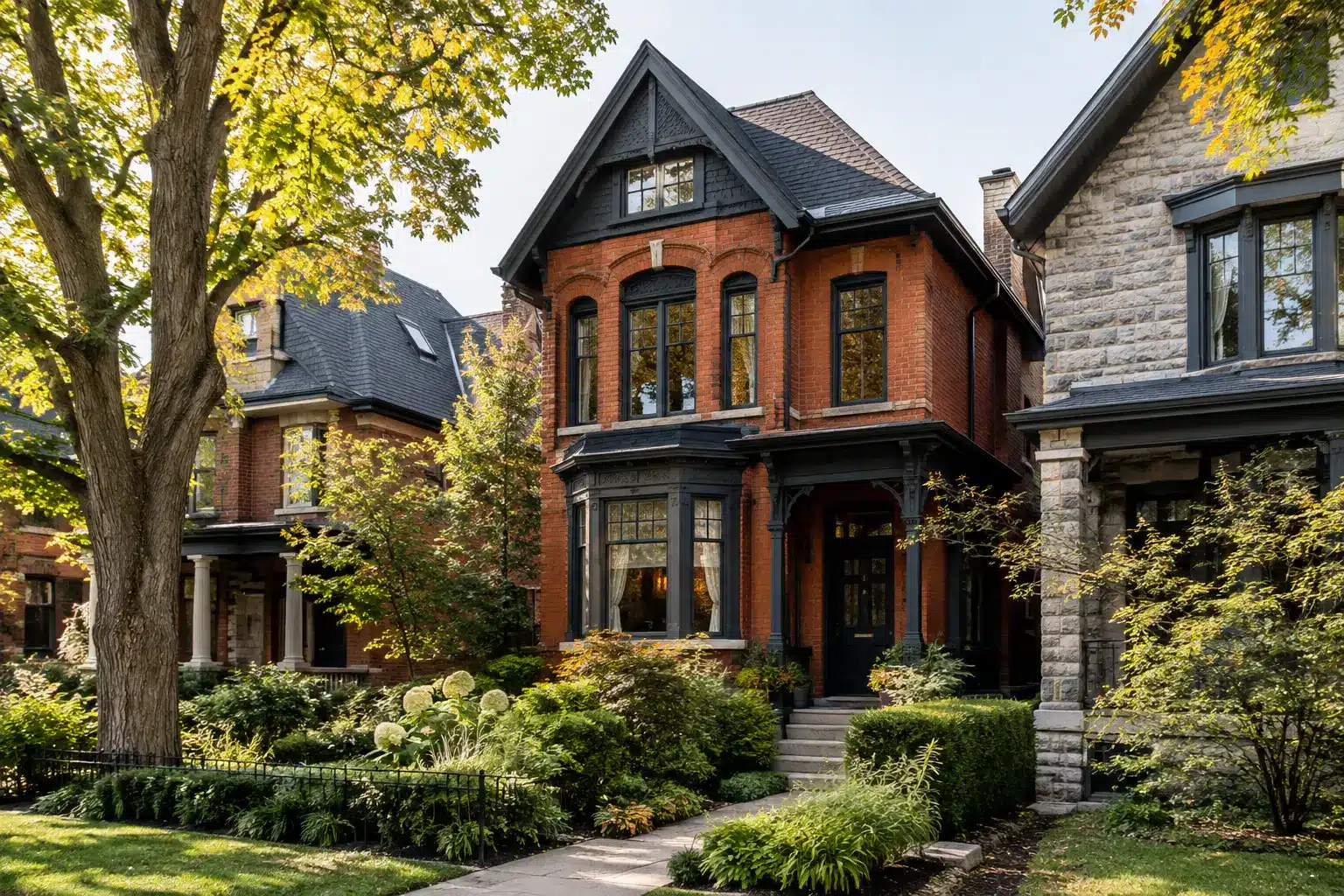
A heritage home is rarely valued like a standard house down the street. A buyer may fall for the leaded-glass windows, original millwork or a century-old brick façade within seconds, then spend weeks assessing renovation limits, operating costs and whether the layout works for modern family life. For owners of heritage homes in Toronto, the sale strategy has to address both reactions.
The strongest result usually comes from treating character as an asset without ignoring the practical questions that accompany it. That means establishing exactly what protection applies to the property, pricing against the right comparables, documenting upgrades carefully and presenting the home as a considered ownership opportunity rather than a preservation project.
First, clarify what “heritage” means for your property
Not every older or architecturally distinctive house is formally protected. Some homes are listed on the City of Toronto’s heritage register, some are individually designated under the Ontario Heritage Act, and others sit within a Heritage Conservation District. There can also be heritage easements or conditions tied to a past approval. Each situation can affect what an owner may alter, particularly on exterior elevations and prominent features.
This distinction matters before a listing goes live. Buyers do not necessarily see heritage status as a negative. In neighbourhoods such as The Annex, Rosedale, High Park, Swansea and The Kingsway, protected streetscapes and enduring architectural character can be part of the appeal. But uncertainty is a problem. A buyer considering a rear addition, new windows or a redesigned front façade will want to understand the approval process before committing.
Gather the available designation documents, past permits, approved plans, heritage reports and correspondence related to major work. If the property is in a conservation district, identify the applicable district plan. A clear information package prevents vague assumptions from taking hold during showings or offer negotiations.
What buyers pay for in heritage homes
Buyers do not pay a premium simply because a home is old. They pay for scarcity, craftsmanship, location and the confidence that the home has been cared for. A well-proportioned Edwardian with original staircase detailing, high ceilings and a thoughtful kitchen addition may compete very differently from a similarly sized but heavily compromised house nearby.
For higher-value properties, the value often sits in the combination of land, address and architectural integrity. A ravine setting in Humber Valley, a broad lot in Lawrence Park or a streetscape in South Rosedale can create a buyer pool that values authenticity. In these situations, removing every original element in pursuit of a generic renovation can reduce the property’s distinction.
At the same time, character does not erase functional concerns. Narrow driveways, modest closets, low basement ceilings, older mechanical systems and divided room layouts will be weighed against newer alternatives. The goal is not to pretend these trade-offs do not exist. It is to show buyers where the house has already been modernized and where future changes are realistic.
Original features need context, not just praise
A listing description that simply calls every detail “historic” can sound vague. Be specific: restored wood windows with storm windows, a slate roof replaced in a stated year, original pocket doors, a professionally rebuilt front porch, or a kitchen addition completed with permits. Specifics help buyers distinguish meaningful preservation from deferred maintenance.
Professional photography should capture the details that make the home memorable, but it should also show how the rooms live. A formal dining room, for example, may appeal to one buyer and feel underused to another. Showing the relationship between the kitchen, family room, garden and outdoor entertaining space gives buyers a more complete picture.
Price the house against the right evidence
Heritage properties often have few true comparables. The nearest sale may share a postal code but not the same lot, condition, designation status, renovation quality or architectural appeal. That is why automated valuations and broad neighbourhood averages can be a starting point, not a pricing strategy.
A sound valuation separates the major drivers. Start with land value and location, then compare the building’s size, condition, parking, outdoor space and renovation level. From there, assess the contribution of the home’s character and any limits on redevelopment. A designated property on an exceptional lot may attract strong end-user interest while having a narrower redevelopment audience than an unprotected property nearby.
This is especially relevant in established central Toronto neighbourhoods where buyers may be choosing between a fully renovated heritage house, an older home with expansion potential and a newer custom build. These are not interchangeable products, even when their lot dimensions look similar.
Pricing also depends on market conditions at the time of sale. When buyers are cautious, a home with complicated questions or an ambitious price can sit longer and invite scrutiny. When demand is stronger, distinctive architecture can create competition, but it still needs to be supported by credible value. The best pricing strategy is evidence-led, not based on the assumption that every period home will create a bidding war.
Preparation should preserve credibility
Before spending heavily, separate maintenance from cosmetic work. Water management, roof condition, heating and cooling, electrical capacity, window performance and masonry issues matter more than decorative changes. Buyers of substantial homes can be willing to take on a future project, but they want to know whether they are buying a considered renovation opportunity or inheriting several urgent repairs.
Where improvements are planned, avoid choices that undermine the home’s strongest features. Replacing quality original trim, covering hardwood with generic flooring or making a historic front elevation look newly built can be costly and counterproductive. In many cases, careful repair, refinishing and paint work deliver a better return than aggressive modernization.
For properties with an elevated price point, presentation should also match the level of buyer expectation. This does not mean making a family home look sterile. It means editing rooms so architectural details read clearly, improving lighting, addressing worn surfaces and ensuring the exterior makes a confident first impression. Gardens, terraces, pools and rear additions should be presented as part of the property’s lifestyle, not as separate features competing for attention.
Build a buyer-ready document file
A concise package can reduce friction once serious interest develops. Include surveys where available, renovation permits and final inspections, utility information, receipts or warranties for major systems, and a summary of work completed. If there are known heritage approvals, provide those as well.
Pre-listing inspections can be useful when an owner expects buyers to focus closely on an older home’s condition. They are not mandatory in every case, and they do not replace a buyer’s own due diligence. Their value is in allowing the seller to address material issues early and answer questions with facts rather than speculation.
Market the future as well as the present
The most effective marketing for a heritage property tells a complete story: what has been preserved, what has been improved and what remains possible. A family may be drawn to a finished home with architectural character. Another buyer may be attracted to approved plans, a rear addition with room to expand or a garden that could support a future studio, subject to the required permissions.
Be careful not to market unverified potential as certainty. Statements about additions, laneway suites, severances or redevelopment should be grounded in documentation and appropriate planning advice. With heritage properties, the difference between “possible” and “approved” is significant.
A strategic listing process should also anticipate buyer concerns in advance. If an older boiler has been replaced, say so. If windows were restored rather than replaced, explain why and when. If a heritage designation affects the front façade but not the rear addition, make that distinction clear. Transparent information gives qualified buyers more confidence to act.
Selling a heritage property is ultimately about protecting the value of what cannot be replicated while making the ownership decision feel manageable. With accurate documentation, disciplined pricing and presentation that respects both architecture and daily life, the right buyer can see the home not as a compromise, but as a rare place worth caring for.